Canada’s e-waste is growing
Researchers at the University of Waterloo produced the first comprehensive estimate of e-waste in Canada and found that it has more than tripled in two decades. Close to a million tonnes of electrical and electronic waste was generated in 2020 alone. Per person, the amount rose from 8.3 kg in 2000 to 25.3 kg in 2020.
Phones, laptops, tablets and office equipment get replaced regularly, and the volume that reaches end of life keeps climbing.
The global picture
The UN’s Global E-waste Monitor 2024 reports that the world generated a record 62 billion kg of e-waste in 2022, and it projects 82 billion kg by 2030. Only 22.3 per cent of the 2022 total was documented as formally collected and recycled.
That e-waste contained an estimated 31 billion kg of metals, with a value the report puts at about US$91 billion. When devices are not recycled responsibly, much of that material is lost, and hazardous substances that e-waste contains can end up where they harm people and ecosystems.
Why this matters for Canada’s environment
- Hazardous materials. Electronics contain substances that need careful handling. Controlled processes and audited vendors keep them out of landfills and unsafe processing.
- Resource use. Reusing a device avoids the raw materials, energy and emissions needed to build a replacement, since much of a device’s footprint comes from manufacturing it.
- Climate goals. Canada has committed to net-zero emissions by 2050. Extending the life of equipment and recovering materials responsibly supports that effort.
What responsible recycling does
- Reuse first. Testing and repairing equipment keeps working technology in service. This is the first step of the R2v3 hierarchy.
- Secure the data. Verified erasure lets devices be reused with confidence, which makes reuse practical for organizations that hold sensitive information.
- Track the rest. Material that cannot be reused moves through audited downstream vendors, with documentation from arrival to final disposition.
- Follow the rules. R2v3 prohibits illegal dumping and improper transboundary exports.
What organizations can do
- Retire equipment on schedule so it reaches a certified recycler while it still has reuse value.
- Choose a recycler with R2v3 and ISO certifications, and ask for the scope.
- Ask where material goes after the first stop. Our guide on downstream accountability lists the questions.
- Use the ITAD checklist so each retirement project follows the same process.
How Turn2Recycling contributes
Our contribution is built into how we work:
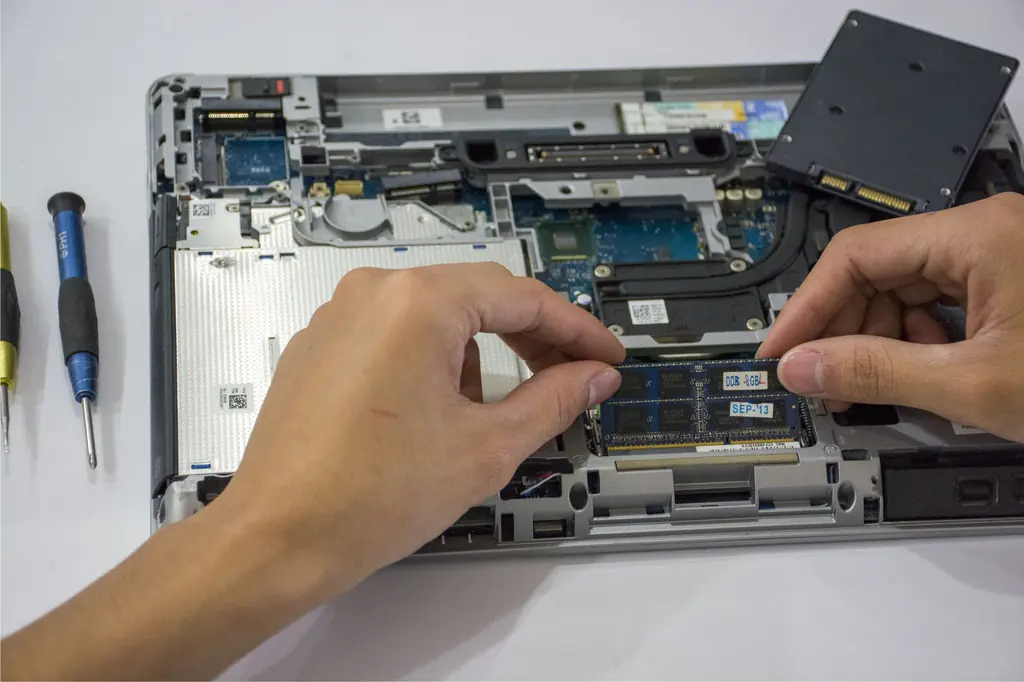
- Reuse through test and repair. Equipment is tested, diagnosed, repaired and graded so working devices get a second life.
- Accountability through the downstream recycling chain. Material is tracked to final disposition, and downstream vendors are audited.
- Environmental management. Our ISO 14001:2015 certification means environmental performance follows a structured, audited system.
- Safe data handling. Logical data erasure and physical destruction protect information so reuse and recycling can go ahead.
Reduce, reuse, recycle for a greener tomorrow. If you have equipment to retire, email us and we will help you do it responsibly.
Sources and further reading
This article is general information about electronics recycling and data security. It is not legal advice. Check your own obligations with your legal counsel or the relevant regulator.